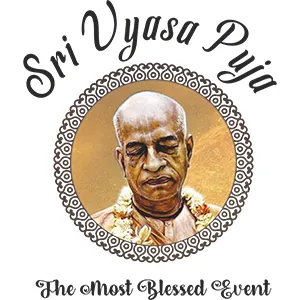
Śrīla A.C. Bhaktivedānta Swami Prabhupāda established over 100 temples around the world, but his mood wasn’t merely institutional — it was intensely personal. His presence was felt through his letters, visits, instructions, and above all, the devotional culture he cultivated in each center. Among all temple events, festivals were especially dear to him — moments when the Deities were served with grandeur, kīrtana roared, prasādam overflowed, and large crowds heard the message of Kṛṣṇa consciousness.
While every ISKCON temple celebrates major festivals, certain places shine more distinctly in reflecting Prabhupāda’s spirit, either due to his personal involvement, emotional investment, or the ongoing adherence to his standards. Below are five such festivals at specific temples, ranked based on how vividly they carry Śrīla Prabhupāda’s original mood and mission.
1. Janmāṣṭamī and Vyāsa Pūjā – Krishna-Balaram Mandir, Vrindāvan
Vrindāvan was not just another center for Śrīla Prabhupāda — it was his final earthly residence, his sacred retreat, and the land of Lord Kṛṣṇa’s eternal pastimes. The Janmāṣṭamī celebration here is intimate yet majestic. It begins days in advance with cleaning, decorating, and special kīrtans. The Deities of Krishna-Balaram, Rādhā-Śyāmasundar, and Gaura-Nitāi are adorned with opulence, yet the atmosphere remains spiritually grounded, not commercial.
What follows the midnight āratī is equally significant — Śrīla Prabhupāda’s Vyāsa Pūjā the next day, celebrated just beneath his samādhi. Hundreds gather to read homages, chant his glories, and circumambulate his sacred resting place. His personal quarters are opened, flower petals fill the air, and a spirit of gratitude dominates the mood.
This two-day combination encapsulates both Kṛṣṇa’s birth and Prabhupāda’s mission — the perfect alignment of founder and the founded.
2. Ratha-yātrā – ISKCON Jagannātha Mandir, Kolkata
Śrīla Prabhupāda’s birthplace, Kolkata, hosts one of ISKCON’s grandest Ratha-yātrās, one that he deeply desired and blessed. Though the temple itself was established after his physical departure, his letters clearly expressed how much he longed for a Jagannātha Ratha-yātrā to roll through his childhood streets.
This festival is unique in that it combines Prabhupāda’s personal nostalgia with his global vision. The streets are lined with thousands chanting the holy name. The chariot is decorated as he once saw in his youth. For those who’ve read about his early inspiration from the Kolkata Ratha-yātrā as a child, watching the ISKCON chariot roll through the same city feels like a loop of prophecy fulfilled.
The event isn’t just a spectacle — it’s a return. It’s Śrīla Prabhupāda visiting home through the very mission he spread to the world.
3. Gaura Pūrṇimā – ISKCON Māyāpur
If one asks where Śrīla Prabhupāda’s vision for the future is most alive, the answer is clear: Śrīdhām Māyāpur. Gaura Pūrṇimā here is not merely a festival; it is the annual spiritual convergence of ISKCON worldwide. Thousands of devotees gather weeks in advance for seminars, kīrtan melās, and deep study.
The festival day itself is elaborate — with colorful abhiṣekas of Śrī Caitanya Mahāprabhu, soul-stirring dramas, 24-hour kīrtanas, and massive prasādam distribution. Śrīla Prabhupāda called Māyāpur the world headquarters and saw Lord Caitanya’s movement emanating from here.
What makes the festival so powerful is that every aspect — from the lectures to the temple decorations — still follows his original tone of purity, scholarship, and outreach. It is one of the rare times where global diversity unites into one spiritual family under his vision.
4. Rādhāṣṭamī – ISKCON Juhu, Mumbai
Rādhāṣṭamī celebrations in ISKCON Juhu are a heartfelt affair. While many temples celebrate the appearance of Śrīmatī Rādhārāṇī with solemnity, Mumbai adds the flavor of service and sacrifice, just as Śrīla Prabhupāda would have wanted.
This was a temple he fought hard to build — battling legal hurdles, financial obstacles, and even threats to his health. For him, Rādhārāṇī wasn’t an abstract Goddess but the supreme controller of devotional service, and Rādhā-Rāsabihārī the center of it all.
Rādhāṣṭamī here is marked by abundant flower offerings, intimate bhajans, and inspiring lectures focused on devotional service — something Prabhupāda emphasized constantly. The preparations offered to the Deities are numerous, and the afternoon is filled with recitations of his quotes glorifying Rādhārāṇī.
This is a festival of depth, not dazzle, staying true to Prabhupāda’s mood.
5. Śrīla Prabhupāda’s Disappearance Day – Bhaktivedanta Manor, UK
While disappearance days are somber occasions, they are also moments of deep connection. At Bhaktivedanta Manor, the festival is intimate and reflective, filled with heartfelt offerings and sincere remembrance. This manor, gifted by George Harrison, was visited and cherished by Śrīla Prabhupāda. His room is still maintained as it was, and during this day, devotees gather inside to read memories, sing bhajans, and offer handwritten cards at his feet.
More than the grandeur, what stands out here is the loyalty to his simplicity. His disappearance is not just honored as a date, but embraced as a personal moment — one where each devotee privately renews their connection with him.
What follows is not just emotional, but transformational — as devotees emerge inspired to follow his path more sincerely.