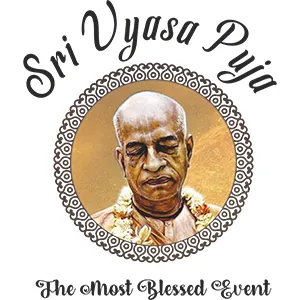
Srila A.C. Bhaktivedanta Swami Prabhupada’s outreach strategy was nothing short of revolutionary. In a time when spirituality was largely confined to the East, he boldly stepped into the West with nothing but unwavering faith in Krishna and an unshakable commitment to his guru’s instruction. What followed was the global expansion of the Krishna consciousness movement—driven by a blend of timeless wisdom and strategic outreach.
Prabhupada did not limit his methods to one style or tradition. Instead, he adapted to time, place, and circumstance, introducing Vedic spirituality to modern audiences in creative, compassionate, and courageous ways. Here are the top five outreach methods Srila Prabhupada used—methods that continue to inspire, expand, and elevate the mission of spreading Krishna consciousness around the world.
1. Book Distribution: The Cornerstone of the Movement
Srila Prabhupada placed unparalleled emphasis on the power of spiritual literature. He personally translated, wrote, and published books like Bhagavad-gita As It Is, Srimad-Bhagavatam, and Chaitanya Charitamrita—not simply as texts, but as instruments of transformation. His vision was clear: books are the most permanent and powerful way to share Krishna consciousness.
Book distribution was not a side activity; it was the core of the outreach. Prabhupada would say, “Even if one person reads one page and becomes a devotee, our effort is successful.” His disciples took this to heart, distributing millions of his books around the world, often in difficult circumstances.
This method remains timeless—spiritual literature continues to change lives, inspire seekers, and plant seeds of bhakti that grow over time.
2. Harinam Sankirtan: Chanting in the Streets
Inspired directly by Lord Chaitanya’s example, Srila Prabhupada reintroduced public chanting of the holy names as a central outreach tool. In cities like New York, London, and Los Angeles, devotees would go out every day to chant the Hare Krishna mantra with drums, kartals, and unfiltered joy.
Harinam sankirtan was not just a spiritual practice—it was a public declaration of divine love. It attracted attention, opened hearts, and offered people a direct taste of transcendental sound vibration. In many cases, people first encountered Krishna consciousness not through philosophy, but through the irresistible energy of a public kirtan.
This method embodied the core of Prabhupada’s mission: to bring Krishna’s name to every town and village. Even today, it remains one of the most vibrant and spontaneous forms of outreach.
3. Establishment of Temples and Cultural Centers
Srila Prabhupada firmly believed in creating spiritual hubs where people could see, hear, and experience Krishna consciousness. He established over 100 temples worldwide in less than 12 years. Each temple became a place of worship, community, education, and cultural exchange.
But more than buildings, Prabhupada built communities. Temples were meant to provide structure for devotional life—daily worship, kirtan, prasadam, festivals, and classes. People of all backgrounds could come, experience the atmosphere, and connect with something higher.
Through these temples, Prabhupada preserved the ancient tradition while making it accessible to modern audiences. He showed that bhakti-yoga could be practiced anywhere in the world, by anyone, with sincerity and guidance.
4. Prasadam Distribution: Feeding the Soul Through the Stomach
Srila Prabhupada often said, “Everyone has to eat. If they eat prasadam, they will become purified.” He recognized that sanctified food offered to Krishna—prasadam—was one of the most effective and loving ways to introduce people to spiritual life.
From temple feasts to food relief programs, prasadam became a powerful outreach method. In places like college campuses, streets, and festivals, people were drawn in not just by the taste, but by the care and intention behind the offering.
Srila Prabhupada encouraged large-scale prasadam distribution through programs like Food for Life, which continues to serve millions worldwide. Sharing prasadam breaks barriers of caste, creed, and culture—it brings people together in a way that is both nourishing and transcendental.
5. Personal Preaching and Satsanga
Perhaps one of Srila Prabhupada’s most powerful tools was his personal interaction with individuals. Despite leading a global movement, he made time to speak personally with guests, disciples, scholars, and seekers—often answering questions late into the night or early in the morning.
He showed that outreach is not merely a broadcast, but a conversation. Through his humility, clarity, and deep spiritual conviction, Prabhupada would dissolve doubts, awaken faith, and guide people gently but firmly toward Krishna.
This method, though less visible than others, remains deeply effective. One-on-one guidance, mentoring, and heartfelt conversations are often where true transformation begins. Many devotees today trace their spiritual awakening to one powerful personal interaction—with Prabhupada, his books, or his sincere followers.