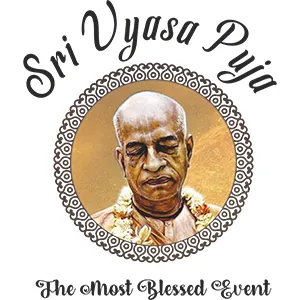
Srila A.C. Bhaktivedanta Swami Prabhupāda, the founder-ācārya of ISKCON, was not just a traditionalist saint who translated sacred texts. He was also a visionary reformer, a master strategist, and a bold innovator who shaped a spiritual movement that would thrive in the modern age. His life mission was to spread Krishna consciousness across the globe, and to do this effectively, he introduced various tools, techniques, and institutions that reflected both ancient wisdom and modern adaptability.
Now, nearly five decades after his physical departure, many of these innovations have expanded, evolved, or even faced challenges. Yet, some continue to embody the heart of his vision. This blog ranks the most influential innovations that still carry Srila Prabhupāda’s original intent—those that mirror his philosophy, purity, and pioneering spirit.
1. Book Distribution — The Backbone of His Mission
Why It Ranks #1:
Srila Prabhupāda always emphasized, “Distribute books, distribute books, distribute books!” He considered this the most effective and essential service. His translations of Bhagavad-gītā As It Is, Śrīmad-Bhāgavatam, Caitanya-caritāmṛta, and many other works were not mere academic translations—they were filled with his devotional realizations and missionary zeal.
Book distribution was never about numbers alone; it was about giving people access to spiritual truth in a lasting form. Even today, ISKCON temples and traveling devotees distribute millions of his books annually. Whether at a busy Indian railway station or a quiet university library in Europe, the presence of Prabhupāda’s books testifies to the spiritual revolution he envisioned.
How It Reflects His Intent:
It spreads Krishna consciousness in a sustainable, life-transforming way, touching hearts across languages, cultures, and generations.
2. The Daily Morning Program — Foundation of Devotee Life
Srila Prabhupāda introduced a structured daily sādhana program in all his temples: mangala-ārati, japa, darśana, guru-pūjā, and Śrīmad-Bhāgavatam class. He insisted that spiritual advancement depends on regulated devotional practices.
Even today, ISKCON temples worldwide follow this morning program as a sacred routine. It builds discipline, spiritual strength, and a deep inner connection to Krishna. In temples, ashrams, and even homes, devotees still gather each morning to chant and hear. This was exactly Prabhupāda’s intent—to create a lifestyle where Krishna consciousness is lived, not merely preached.
How It Reflects His Intent:
It grounds the devotee’s life in practical, regulated bhakti, maintaining purity and consistency.
3. Ratha-yatra Worldwide — Public Festival of Devotion
Srila Prabhupāda was the first to bring Lord Jagannātha’s Ratha-yatra out of Puri and into Western streets. The first Ratha-yatra outside India took place in San Francisco in 1967. Since then, it has grown into an annual global phenomenon.
Cities like London, New York, Sydney, and Durban witness huge Ratha-yatra processions with colorful chariots, ecstatic kīrtan, and free prasādam. For many, these events are their first contact with Krishna consciousness. Prabhupāda wanted Krishna to be worshipped and remembered publicly, and Ratha-yatra remains a shining example of that desire.
How It Reflects His Intent:
It brings Krishna to the people, breaking religious, cultural, and national barriers.
4. Prabhupāda’s Translation and Purport Format — A New Standard
Before Prabhupāda, Vedic literature was largely inaccessible to the English-speaking world. His style—Sanskrit verse, word-for-word meanings, full translation, and detailed purport—became a new global standard. This format made deep philosophy understandable to both scholars and beginners.
His purports are more than commentary; they are guidance from a pure devotee who lived the truths he taught. Even today, ISKCON sannyāsīs, scholars, and newcomers alike turn to these books daily. The format remains untouched and revered.
How It Reflects His Intent:
To deliver eternal Vedic wisdom in a clear, personal, and accessible manner.
5. Krishna Conscious Education — The Gurukula Vision
Prabhupāda said, “The future of the movement depends on the children.” He wanted Krishna-centered schools to provide education not just in math or language but in character, devotion, and service. He began gurukulas in India and abroad with this intent.
Though ISKCON’s early educational efforts had challenges, today, many Krishna conscious schools and homeschooling communities reflect his balanced vision. Examples include Bhaktivedanta Academy in Māyāpur and the Krishna Avanti Schools in the UK.
How It Reflects His Intent:
It preserves and nurtures bhakti culture in the hearts of the next generation.
6. Farm Communities and Cow Protection — Simple Living, High Thinking
Prabhupāda envisioned rural communities where devotees could live off the land, protect cows, and make Krishna the center of their lives. He saw modern urban life as artificial and exploitative. While many farms faced setbacks, several communities like New Vraja-dhama (Hungary), Gita Nagari (USA), and Govardhan Eco Village (India) now thrive.
In these farms, devotees grow their food, care for cows, and lead spiritually meaningful lives. Such projects remain essential to ISKCON’s ecological and cultural future.
How It Reflects His Intent:
To offer a sustainable, spiritual alternative to modern materialism.
7. The Sunday Feast and Prasādam Distribution — Love Through Food
One of Prabhupāda’s most brilliant outreach ideas was the Sunday Love Feast. It combined kīrtan, philosophy, and delicious prasādam to attract newcomers. “Everyone likes to eat,” he would say. Food for Life and other prasādam programs worldwide continue to embody his compassionate spirit.
In cities, villages, and disaster zones, sanctified vegetarian food is offered with love. Prabhupāda said that prasādam distribution is the easiest way to bring spiritual benefit to people who may not chant or read.
How It Reflects His Intent:
To awaken spiritual consciousness through the universal language of food.
8. Global Deity Worship — Making Krishna the Center of Life
Srila Prabhupāda installed Deities in nearly every major temple he established. From Rādhā-Londonīśvara in the UK to Rukmiṇī-Dvārakādhīśa in Los Angeles, his Deity worship standard was high and personal.
These Deities remain the heart of their communities. Daily āratis, pūjās, and festivals continue as they did during Prabhupāda’s time. He trained devotees that Krishna accepts our service and reciprocates. This ongoing personal connection to the Lord was central to his mission.
How It Reflects His Intent:
To engage everyone in personal, direct service to Krishna.
9. The Bhakti-yoga Movement for the West — Cultural Bridge
Srila Prabhupāda made Krishna consciousness accessible to people from all cultures without forcing them to reject their identities. Western men and women in robes, chanting Hare Krishna and practicing bhakti in their own countries, was unprecedented.
This openness still defines ISKCON: inclusive, cross-cultural, and rooted in timeless truths. His innovation lies in keeping the essence while adapting the form.
How It Reflects His Intent:
To universalize bhakti-yoga without diluting its purity.
10. The Temple of the Vedic Planetarium (TOVP) — A Living Vision
Though Srila Prabhupāda laid the foundation for the TOVP, he didn’t live to see it completed. But he envisioned a grand temple in Māyāpur that would teach the world about Lord Caitanya and Vedic cosmology.
Now nearing completion, the TOVP stands as a monumental offering of devotion, scholarship, and innovation. It embodies Prabhupāda’s desire to make Māyāpur the spiritual capital of the world.
How It Reflects His Intent:
To spread Krishna consciousness through beauty, science, and universal relevance.