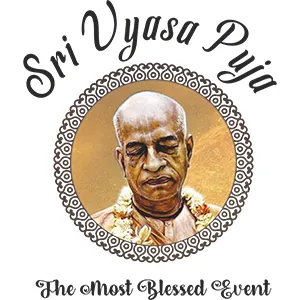
In the worldwide Hare Krishna movement, prasadam — sanctified food offered to the Lord — holds a place of profound significance. For Srila Prabhupāda, the Founder-Ācārya of ISKCON, prasadam wasn’t merely a spiritual practice; it was a gateway to the heart. He saw food as one of the most powerful tools to connect people to Krishna. Whether in a small home altar or a grand temple kitchen, he stressed that cooking and offering food with love, then distributing it freely, could purify the world.
Srila Prabhupāda once said, “Simply by eating prasadam, one can become spiritually advanced.” He took great care in ensuring that food offered to Krishna was prepared purely, served nicely, and honored respectfully. Over the years, countless devotees have wondered: What types of prasadam arrangements would Srila Prabhupāda have especially appreciated? Here’s a heartfelt ranking of prasadam offerings and feasts that reflect his mood and mission.
🥇 1. Simple Rice, Dal, and Subji — Served with Sincerity
Although many associate prasadam with grand feasts, Srila Prabhupāda often emphasized simplicity and purity. A warm plate of plain rice, lightly spiced dal, and dry subji — cooked in ghee and offered with heartfelt devotion — was something he deeply appreciated.
In fact, during his travels, many disciples recall how Prabhupāda would prefer simple prasadam and avoid extravagance unless the occasion demanded. What pleased him was not the spice level or richness, but the consciousness of the cook. If it was prepared cleanly, without onion or garlic, and with Krishna in the heart, it would be perfect in his eyes.
🥈 2. Traditional Bengali Bhoga Offering
Born in Kolkata, Srila Prabhupāda carried deep affection for traditional Bengali dishes. A devotional offering including shukto (bitter-sweet vegetable curry), kichari, aloo posto, patol bhaja (fried pointed gourd), and sweets like sandesh or rasgulla would not only remind him of his youth but also his guru maharaj’s offerings in the Gaudiya Math.
These preparations, made fresh and served on banana leaves, capture the essence of purity, tradition, and rich devotional culture. Offering these items in the right mood and according to seasonal availability is something Srila Prabhupāda would surely have smiled upon.
🥉 3. Sunday Feast — The Gift That Keeps Giving
Instituted by Srila Prabhupāda himself in the early days of ISKCON, the Sunday Feast was designed to attract people through the universal language of food. He encouraged devotees to prepare a variety of vegetarian items — typically seven or more — including pulao, sabji, pakoras, chapatis, sweet halwa, and beverages like spiced lemonade or fruit punch.
The Sunday Feast wasn’t just a meal; it was a spiritual event — complete with kirtan, Bhagavad-gītā reading, and prasadam. Srila Prabhupāda emphasized that prasadam should be served freely, respectfully, and with kindness. He knew that even one bite of Krishna’s food could begin the transformation of a soul.
🏅 4. Festival Offerings — Janmāṣṭamī, Ekādaśī, Rādhāṣṭamī Specials
On major occasions like Janmāṣṭamī, Ekādaśī, Rādhāṣṭamī, or Gour Pūrṇimā, the grandeur of offerings increases. Srila Prabhupāda supported elaborate feasts on festival days — not to show off, but to celebrate Krishna’s glories.
He was especially pleased by the mood of abundance in Krishna’s service: tables filled with 56 or even 108 offerings, beautifully decorated with tulsi leaves. Dry fruits, milk sweets, kheer, makhan mishri, fruit salads, and special non-grain Ekādaśī recipes all reflect devotion in diversity. For Prabhupāda, these grand feasts were like spiritual fireworks — pleasing to the Lord and deeply inspiring to devotees.
🏵 5. Govinda’s Restaurant-Style Offerings — Reaching the Masses Creatively
Srila Prabhupāda was extremely practical. When Govinda’s restaurants began operating under the ISKCON banner, offering vegetarian meals to the public, Prabhupāda encouraged it — as long as the food was first offered to Krishna.
Whether it’s vegetarian pizza, lasagna, samosas, wraps, or Thai curries — if it’s sattvic, offered properly, and served with the intention of spreading Krishna consciousness — Prabhupāda would be pleased. For him, these were not just restaurants, but preaching centers disguised as eateries.
🎖 6. Prasadam Distribution to the Hungry — Compassion in Action
Nothing captured Srila Prabhupāda’s heart more than prasadam distribution. Programs like ISKCON’s Food for Life are direct reflections of his instruction to “No one should go hungry within ten miles of a temple.”
Feeding the needy — not just with food, but with sanctified food — is a revolution of love. For Prabhupāda, seeing children, the poor, or students receiving Krishna prasadam was one of the most powerful ways of spreading spiritual consciousness. No preaching, no pressure — just love on a plate.