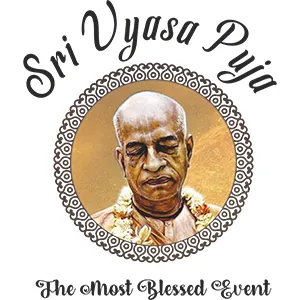
Śrīla Prabhupāda, the founder-ācārya of ISKCON, didn’t just revolutionize the spiritual landscape of the world with books and lectures—he transformed hearts through sound. Among the many spiritual practices he introduced to the West, bhajan—devotional song—stood out as both accessible and profound. Through bhajans, complex spiritual truths could be felt, not just understood. The power of sacred sound, combined with heartfelt surrender, became a central theme in Śrīla Prabhupāda’s mission.
For Śrīla Prabhupāda, bhajans were not merely musical performances. They were meditations, teachings, and prayers wrapped into melodies. Every song he chose had a purpose. He often quoted and sang them not only during temple programs, but in intimate settings, preaching engagements, and even while traveling. These songs, written by great Vaishnava saints like Narottama Dāsa Ṭhākura and Bhaktivinoda Ṭhākura, became part of the spiritual foundation he laid for millions of devotees around the world.
Among the many bhajans that he regularly sang or recommended, one that deeply stood out was Śrī Guru Charana Padma. This bhajan, composed by Narottama Dāsa Ṭhākura, glorifies the spiritual master and the mercy that flows through guru-paramparā. Śrīla Prabhupāda himself often sang it before giving classes, and its message became the central theme of ISKCON’s culture—the spiritual master is not just a teacher, but the transparent representative of Krishna. The bhajan reminds us that without taking shelter of a bona fide guru, progress in spiritual life is simply not possible.
Another bhajan close to Śrīla Prabhupāda’s heart was Jaya Rādhā Mādhava. Every morning before giving his Śrīmad-Bhāgavatam lectures, Prabhupāda would sing this song slowly and reflectively. It evokes the mood of Vrindavan—Krishna surrounded by His beloved gopīs, tending cows, and enjoying the beauty of spiritual pastimes. More than just a poetic composition, this song expresses the essence of Krishna consciousness: Krishna is not merely a powerful deity but the supreme object of love. Prabhupāda used this bhajan to bring listeners into the spiritual world, establishing the mood before delving into philosophical discussion.
The powerful hymn Guruvāṣṭakam, beginning with the verse “Samsāra Dāvānala”, was another daily feature in ISKCON temples, sung during maṅgala-ārati. This eight-verse glorification of the spiritual master reveals the relationship between disciple and guru in its deepest form. It expresses the urgency of accepting guidance and the blessings that come through serving the guru faithfully. Prabhupāda ensured this bhajan was included in the standard temple morning program because it teaches gratitude, surrender, and the discipline needed to rise early and begin the day in Krishna’s service.
Sometimes, Śrīla Prabhupāda’s lectures would take a deeply emotional turn when he quoted from Hari Hari Biphale Janama Goinu, another bhajan by Narottama Dāsa Ṭhākura. This song is a lamentation—a cry from the heart of someone who realizes how much of their life has been wasted in material pursuits. Śrīla Prabhupāda emphasized that this human birth is rare and meant solely for developing Krishna consciousness. To waste it chasing temporary pleasures is like “knowingly drinking poison.” The raw emotion of this bhajan awakens a desire for urgency and seriousness in the spiritual path.
Equally impactful was Bhaja Hū Re Mana, a gentle yet firm reminder to focus the mind on Krishna. This song doesn’t shout—it persuades. It speaks to the wandering mind, encouraging it to remember the Lord before death arrives. Śrīla Prabhupāda appreciated this bhajan for its simple language and universal appeal. Whether one is new to devotional life or advanced in practice, the message remains clear: do not delay your connection with God. Begin now.
Bhajans like Parama Karuṇa, which glorify the compassion of Lord Caitanya and Lord Nityānanda, carried immense significance in Śrīla Prabhupāda’s teachings. He often reminded devotees that it is only through the mercy of these two divine brothers that anyone can attain Krishna. The mood of this bhajan is soft and inclusive—it invites every soul, regardless of background, to take shelter of the holy name. It reflected Śrīla Prabhupāda’s inclusive mood and global vision, where every human being was eligible for Krishna’s mercy.
Lastly, the bhajan Ohe Vaiṣṇava Ṭhākura serves as a powerful lesson in humility and dependency on the devotees. Śrīla Prabhupāda repeatedly emphasized that the association and mercy of pure devotees are essential for spiritual progress. This song, full of sincerity and longing, is a prayer to the devotees of the Lord to grant blessings, forgive offenses, and guide the soul towards Krishna.
These bhajans are not ranked merely by musical beauty or poetic structure—they are ranked based on how strongly and directly they carry Śrīla Prabhupāda’s teachings to the heart of the listener. They were his tools to uplift souls, to communicate eternal truths, and to awaken Krishna consciousness. They teach the importance of the spiritual master, the urgency of spiritual life, the mercy of Lord Caitanya, and the sweetness of devotional service.
Even today, singing these bhajans connects us to the heart of our spiritual tradition. They are timeless companions on the path of bhakti. Whether in a temple hall, a small home altar, or a solitary evening walk with beads in hand, these songs echo with the voice and vision of Śrīla Prabhupāda—calling us to remember Krishna, serve His devotees, and never forget our true purpose.
Let these bhajans not remain lyrics on a page or melodies in the air. Let them be our prayers, our teachers, and our guides—just as they were for Śrīla Prabhupāda.
Hare Krishna.