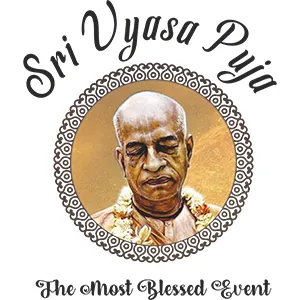
When you step into a room where Śrīla Prabhupāda once lived, sat, translated, or gave instructions, you’re not entering four walls — you’re entering a portal of timeless service. The air feels denser. The silence speaks. And the heart? It slows down, listens, and realizes.
It’s not about architecture. It’s not about decor. It’s the vibration. The residue of divine work, restless compassion, and fearless preaching.
These five rooms — humble yet historic — each left me awestruck in their own way. And though Śrīla Prabhupāda is no longer physically walking among us, in these rooms, he never really left.
1. Radha-Damodar Room, Vrindavan – The Room of Translation and Tears
This room is small, silent, and soaked with service. It was here that Śrīla Prabhupāda lived before setting off for the West. But more than that — this was the place where he began the Bhāgavatam translation that would change the world.
When I sat there, a wave of realization hit me: He had nothing. No followers. No success. Just a trunk, his books, and unshakable faith.
The room is preserved as it was — his writing desk, his shoes, the picture of his Guru Mahārāja above. And yet, it’s not nostalgia that hits you. It’s urgency.
You feel it in your bones: He did his part. Will you do yours?
2. Prabhupāda’s Room – ISKCON Juhu, Mumbai
This room feels victorious. After years of legal battles, sleepless nights, and tireless devotion, Śrīla Prabhupāda finally established a temple in the heart of Bombay.
Inside, there’s a warmth here — not soft like a retreat, but bold like a mission completed. The window overlooks the temple courtyard, and it’s not hard to imagine Prabhupāda watching the Deity installation, satisfied yet never self-satisfied.
One corner of the room holds his bed and writing table. I stood there imagining those early mornings — him hunched over his manuscripts, translating with the weight of the world, and no time to waste.
This room whispered not peace, but powerful patience.
3. Prabhupāda’s Room – ISKCON Māyāpur Chandrodaya Mandir
Māyāpur is the global heart of the movement, and this room carries the weight of a divine strategy. Here, Śrīla Prabhupāda spoke of the future — a spiritual city, a temple of the Vedic Planetarium, global preaching from the holy land of Navadvīpa.
When I entered, it wasn’t the historical significance that hit me. It was the scale of his vision. The room holds relics — his chadar, his glasses, his pen — but the real offering is the energy. Vision. Urgency. Uncompromising clarity.
This isn’t a resting place. It’s a war room for spiritual revolution.
4. 26 Second Avenue Room – New York City
This was the seed. The beginning. The tiny storefront where Śrīla Prabhupāda lived, chanted, cooked, and preached to hippies, skeptics, and seekers.
The room itself is nothing grand. And yet, everything changed here.
When I visited, what moved me most wasn’t what was there — it was what was not. No fanfare. No plush cushions. Just a plain room where a pure devotee changed the course of spiritual history.
It made me realize — greatness doesn’t need luxury. It needs conviction, compassion, and Kṛṣṇa.
And in that room, I could almost hear the first kīrtans, feel the incense in the air, and sense the transformation that had begun.
5. Prabhupāda’s Final Room – ISKCON Vrindavan
This is the room where Śrīla Prabhupāda spent his final days. Where his body grew weak, but his will remained steel-strong. Where he dictated until the very end, carried by love and commitment.
This room is quiet. Sacred. The lighting is soft. Devotees enter slowly, offering dandavats in full surrender. You can feel the sobriety of that time — the tension, the prayer, the surrender.
But this room isn’t about death. It’s about completion. He finished what he came to do. Not just writing — but reshaping the spiritual destiny of the world.
When I sat near his bed, I didn’t cry. I just bowed, silently, and prayed: Let me serve with even a fraction of this fearlessness.