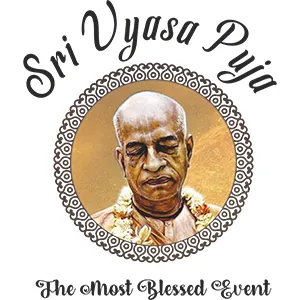
Faith isn’t always built in grand moments. Sometimes it is shaped slowly, through simple stories that carry deep truths. In Srila Prabhupāda’s books, I encountered not just philosophy, but living, breathing narratives that pierced through my doubts and fears. These stories weren’t just tales from scripture—they were turning points in my spiritual life. They didn’t just inform me; they transformed me.
Here are the top five stories from Srila Prabhupāda’s books that shaped my faith, each one peeling away my layers of conditioning and bringing me closer to Krishna.
1. Ajamila and the Power of the Holy Name
From: Śrīmad-Bhāgavatam, Sixth Canto
This was the first story that deeply shook me. Ajamila was a brahmin who fell from grace and became sinful, yet at the moment of death, he unintentionally chanted “Nārāyaṇa”—the name of his son, not even thinking of God. Still, the Yamadūtas (agents of death) were stopped by the Viṣṇudūtas because that one utterance purified him.
Reading Prabhupāda’s purports made me realize that the holy name is not dependent on our qualification. Its power is intrinsic. This story convinced me that no matter how far we fall, the holy name can lift us. It turned my chanting from mechanical habit into a prayer for mercy.
2. Dhruva’s Determination and Krishna’s Grace
From: Śrīmad-Bhāgavatam, Fourth Canto
Dhruva was just a five-year-old boy who wanted a kingdom greater than his father’s. Rejected by his stepmother, he left home and performed intense austerities in the forest to please Lord Viṣṇu. In only six months, the Lord personally appeared before him. But the most beautiful moment was when Dhruva, upon seeing the Lord, no longer wanted a kingdom. He said: “I was searching for broken glass, but now I have found the most precious jewel.”
This story taught me that even our materially motivated devotion can be purified by Krishna’s grace. It gave me hope that sincere effort—even if immature—will not go in vain. It built in me the confidence to approach Krishna without fear of judgment.
3. The Mouse in the Temple — Lord Sees the Effort
From: Nectar of Devotion, Lecture and Purport References
Srila Prabhupāda often cited the story of a mouse who lived in a temple and wanted to serve the Lord. Seeing the lamp flickering in front of the Deity, the mouse tried to keep the flame steady by fanning it with its tail. That simple act was seen by the Lord as great devotion.
It’s a small, almost childlike story, but it broke something open in my heart. I realized that Krishna doesn’t expect perfection—He expects sincerity. Every small act of devotion counts. I no longer waited to be “ready” or “pure” to serve. This story taught me that whatever I do, I should do it with love.
4. Gajendra’s Surrender in Helplessness
From: Śrīmad-Bhāgavatam, Eighth Canto
The tale of Gajendra—the elephant king—struggling with a crocodile for years in a lake, is more than just dramatic. It’s about the futility of material strength and the power of utter surrender. When Gajendra finally raised his trunk and cried out to the Lord for help, the Lord personally came to save him.
Prabhupāda’s commentary made it clear: When the devotee cries sincerely, Krishna doesn’t delay. This story became my shelter in moments of crisis. When I felt spiritually dry or emotionally overwhelmed, I remembered Gajendra’s trunk in the air. It taught me how surrender looks—not in theory, but in real, painful, raw helplessness.
5. Prahlāda Mahārāja and Fearless Devotion
From: Śrīmad-Bhāgavatam, Seventh Canto
No list of faith-building stories is complete without Prahlāda Mahārāja. Born in a family of demons, he was tortured by his own father for worshiping Vishnu. Yet he never wavered. Not when thrown into fire, not when thrown from a cliff, not even when surrounded by deadly weapons.
What moved me wasn’t just his endurance, but his compassion. Even after Nṛsiṁhadeva tore apart his demoniac father, Prahlāda prayed for his liberation. This story taught me what unshakable bhakti looks like. Prabhupāda’s commentary revealed how Prahlāda’s faith was rooted in nitya-sevā, eternal service. I understood that real faith is not about expecting Krishna to protect us—it’s about trusting Him, no matter what He allows to happen.