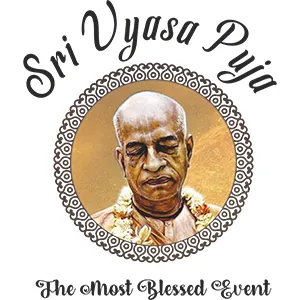
Renunciation (tyāga) is often misunderstood in spiritual circles as simply giving up material possessions or worldly life. But true renunciation, as explained by the great spiritual master Śrīla Prabhupāda, founder of the International Society for Krishna Consciousness (ISKCON), goes far beyond mere external renouncement. It is an inner transformation—a fundamental shift in consciousness away from material attachment toward spiritual realization.
Śrīla Prabhupāda’s teachings on renunciation are deeply practical and relevant, helping seekers navigate the challenges of modern life while progressing on the spiritual path. Over decades of study and practice, these seven lessons on renunciation from Śrīla Prabhupāda have profoundly impacted my understanding and experience of spiritual life. Here, I share these essential teachings that serve as guiding lights for anyone committed to genuine spiritual progress.
1. Renunciation Is Not Mere Physical Abandonment
One of the most important clarifications Srila Prabhupāda made is that renunciation is not simply about physically abandoning one’s home, family, or social duties. Many mistakenly equate renunciation with becoming a hermit or ascetic who leaves the world behind.
However, Srila Prabhupāda emphasized that renunciation primarily means giving up attachment to material sense enjoyment, not necessarily giving up the body or responsibilities. A householder, or gṛhastha, can live a life of renunciation by performing his or her duties without selfish desires and by offering all activities as service to the Supreme.
In this way, renunciation is an internal state of mind, a change in attitude rather than merely external circumstances. It frees one from the entanglement of desires and anxieties while still fulfilling one’s obligations honestly and lovingly.
2. Renounce the Fruits of Action, Not Action Itself
This teaching is central to the philosophy of karma yoga as beautifully explained in the Bhagavad Gita, which Srila Prabhupāda translated and commented upon extensively. He taught that renunciation does not mean giving up work or action; instead, it means renouncing attachment to the results of our actions.
In other words, we must perform our duties diligently and sincerely but without selfish motives or expectations of reward. This detachment from the fruits of action breaks the cycle of karma that binds the soul to repeated birth and death.
Srila Prabhupāda explained that those who try to avoid action altogether actually become entangled in ignorance, while those who act without desire for results become truly liberated. This teaching is a practical guide to living in the world without being trapped by it.
3. Renunciation Leads to Inner Peace
Material desires and attachments are restless by nature. They create endless cycles of craving, satisfaction, and disappointment, keeping the mind agitated and unhappy.
Srila Prabhupāda emphasized that renouncing attachment to material desires leads to genuine inner peace and spiritual happiness. When the mind no longer chases fleeting pleasures, it becomes steady, calm, and capable of realizing its true spiritual nature.
This lesson is especially important in today’s fast-paced, pleasure-driven society, where constant stimulation leads to exhaustion and discontent. Renunciation, therefore, is not about deprivation but about reclaiming peace and joy beyond temporary sensory experiences.
4. Renunciation Is Essential for Spiritual Progress
Throughout his lectures, Srila Prabhupāda stressed that without renunciation, spiritual progress is impossible. The soul is eternally spiritual but becomes covered by layers of ignorance (avidya) due to identification with the body and material desires.
Renunciation means shedding these false identifications and attachments. Without this purification, spiritual knowledge remains theoretical and does not translate into real transformation.
Srila Prabhupāda often said that even studying scriptures or chanting mantras is ineffective if one does not renounce material desires. This teaching encourages sincere seekers to cultivate renunciation as a foundational step.
5. Renounce the False Ego and Identification with the Body
One of the root causes of suffering is false ego—the mistaken belief that we are the body rather than the eternal soul. Srila Prabhupāda taught that true renunciation involves recognizing the self as the spiritual soul, distinct from the temporary physical body.
This renunciation of body identification leads to freedom from fear of death, envy, and other material miseries. It also shifts one’s focus from material concerns to spiritual realization and service to the Supreme.
This lesson is transformative because it helps dissolve the core illusion that binds us to māyā (illusion), enabling genuine liberation.
6. Renunciation Is Gradual and Cultivated Through Devotion
Renunciation is rarely instantaneous. Srila Prabhupāda explained that it is a gradual process cultivated by regular devotional practice (bhakti).
Chanting the holy names, hearing and reading scriptures, associating with devotees, and serving the Lord weaken the mind’s attachments over time. As the heart becomes purified, renunciation arises naturally as a joyful surrender to Krishna rather than a burdensome sacrifice.
This lesson is encouraging because it acknowledges the difficulties of renunciation but assures practitioners that persistent devotion leads to gradual freedom.
7. True Renunciation Manifests as Loving Service
Finally, Srila Prabhupāda revealed that true renunciation is not self-negation but selfless service to God.
When one renounces selfish desires, the heart opens to pure love and service—bhakti. This loving engagement with the Supreme is the highest expression of renunciation. It leads not to emptiness but to fullness—the bliss of divine connection.
Renunciation, therefore, is the gateway to spiritual love and eternal happiness, not mere deprivation or asceticism.