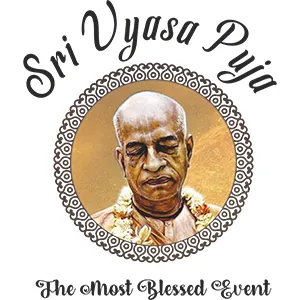
When we think of transformation through spiritual practice, one name that shines like a beacon in the modern era is His Divine Grace A.C. Bhaktivedanta Swami Prabhupāda, the Founder-Ācārya of ISKCON. For countless devotees around the world, it is not just his books or lectures that have guided them—it is also the habits he instilled, modeled, and emphasized. These habits, when practiced consistently, have the power to shape and strengthen our devotional lives.
Here are the top Prabhupāda-inspired habits that have had a profound impact on the spiritual journeys of thousands—and may do the same for you.
1. Chanting the Holy Name Daily (Especially 16 Rounds of Mahāmantra)
Perhaps the most foundational and transformative habit given by Śrīla Prabhupāda is daily japa—chanting the Hare Kṛṣṇa mahāmantra on beads. He insisted that initiated devotees chant at least sixteen rounds daily, and emphasized that this practice was non-negotiable for steady spiritual progress.
The effect of this habit is multifold: it purifies the mind, deepens one’s relationship with Kṛṣṇa, protects from māyā (illusion), and creates a strong spiritual discipline. Over time, devotees find that this daily connection through japa becomes the anchor of their day.
2. Rising Early and Attending Maṅgala-Āratī
Prabhupāda modeled the life of a perfect sādhaka (spiritual practitioner), and one of his strongest recommendations was to rise early—preferably before 4:00 AM—and attend maṅgala-āratī, the first temple worship of the day. He called the early morning hours the brahma-muhūrta, the most spiritually potent time of the day.
Even those living outside temples are encouraged to begin their day with devotional practices during this sacred time. The habit of rising early and beginning the day with prayer, chanting, and śāstra (scripture) reading creates a solid spiritual foundation.
3. Daily Śravaṇa — Hearing from Bonafide Scriptures
Śrīla Prabhupāda’s legacy is most strongly expressed in his books—translations and purports of major Vaiṣṇava texts like Bhagavad-gītā As It Is, Śrīmad-Bhāgavatam, and Caitanya-caritāmṛta. He emphasized the habit of daily reading and hearing from these scriptures as essential nourishment for the soul.
This habit leads to spiritual intelligence, strengthens faith, and protects one from doubts and apathy. Just 30 minutes of reading a day can revolutionize one’s spiritual outlook over time.
4. Offering All Food to Kṛṣṇa (and Honoring Only Prasādam)
One of the most practical and transformative habits introduced by Śrīla Prabhupāda is preparing and offering all food to Kṛṣṇa before eating. The idea is not just ritualistic—it’s deeply philosophical. By offering food to the Lord with love and devotion, it becomes prasādam, spiritualized mercy.
Developing this habit reshapes our relationship with food and consumption. It fosters gratitude, devotion, and mindfulness. It also connects the kitchen and dining room directly to our temple of the heart.
5. Avoiding the Four Pillars of Sinful Life
Prabhupāda strongly emphasized living a pure lifestyle as the foundation for spiritual practice. He asked all serious aspirants to abstain from:
These four activities, he said, are the pillars of sinful life and keep the soul bound to material existence. By cultivating the habit of restraint and replacing these with positive, spiritual activities, devotees become purified and elevated.
This habit isn’t just about denial—it’s about liberation from lower tendencies and embracing a higher taste.
6. Associating with Devotees (Sādhu-saṅga)
One of the most joyful and uplifting habits promoted by Śrīla Prabhupāda is the regular association of devotees. Whether in the temple, at home programs, or even virtual satsangs, being with like-minded sādhakas helps recharge one’s spiritual battery.
When we surround ourselves with those striving toward Kṛṣṇa consciousness, our own devotional enthusiasm increases. It’s a habit that is both protective and inspiring.
7. Engaging in Practical Devotional Service (Sevā)
Prabhupāda didn’t want his followers to be passive readers or armchair philosophers. He encouraged active service: cooking, cleaning, preaching, distributing books, leading kīrtans, maintaining temples, and more. He instilled the habit of serving Kṛṣṇa with one’s body, mind, and words.
No matter one’s talents or circumstances, there is always some way to engage in seva. This habit teaches humility, cultivates attachment to Kṛṣṇa, and dissolves ego.
8. Daily Introspection and Prayer
Although not always externally visible, many close disciples of Śrīla Prabhupāda reported that he was deeply prayerful, constantly meditating on how to serve Kṛṣṇa and fulfill his Guru Mahārāja’s mission. He encouraged his followers to also pray sincerely, begging for bhakti and guidance.
Making a habit of introspection and humble prayer softens the heart, increases sincerity, and allows devotees to see their own flaws—not others’.
9. Preaching the Message of Kṛṣṇa Consciousness
One of Prabhupāda’s defining instructions was to give Kṛṣṇa to others. Through his example and words, he trained his followers to develop the habit of preaching, whether through kīrtana, books, conversations, or simple acts of kindness.
The habit of sharing Kṛṣṇa consciousness reinforces our own realizations and brings joy to others. It transforms every encounter into a potential act of service.
10. Living Simply, Thinking Deeply
Finally, Śrīla Prabhupāda taught and modeled simple living and high thinking. Whether it was in India or the West, he encouraged a lifestyle that emphasized minimalism, integrity, and spiritual focus.
This habit is deeply countercultural—but profoundly liberating. It removes clutter, both externally and internally, allowing the soul to rest in the shelter of Kṛṣṇa.