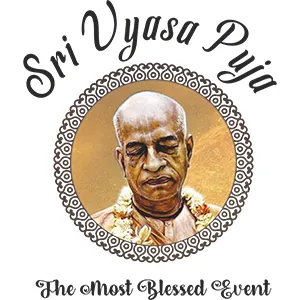
Śrīla Prabhupāda, the founder-ācārya of ISKCON, continues to live through his teachings, books, and most personally — through his sacred mūrtis and samādhis across the globe. These are not just artistic representations or memorials; they are spiritual windows where devotees feel a living connection with him. Below are five of the most powerful and sacred Prabhupāda mūrtis and samādhis that devotees often describe as life-changing experiences.
1. Prabhupāda Samādhi Mandir, Māyāpur Dham (India)
Located at the heart of the ISKCON world headquarters in Śrīdhāma Māyāpur, this magnificent samādhi stands as a golden shrine to Śrīla Prabhupāda’s glory. Its grandeur is not just in marble or structure, but in the atmosphere of devotion that surrounds it. When you walk into the samādhi mandir, you are immediately enveloped by sacred silence and spiritual gravity. The marble murti of Śrīla Prabhupāda inside doesn’t just sit on a vyāsāsana — it radiates his divine determination and his deep love for Lord Caitanya’s mission.
During Guru-pūjā and kīrtans, especially in the Gaura Pūrṇimā season, the samādhi becomes a temple of transcendental energy. Devotees from around the world bow together, sing together, and feel united under the banner of Śrīla Prabhupāda’s vision. It’s in these moments that his presence isn’t symbolic — it’s palpable.
2. Samādhi and Bhajan Kutir, Kṛṣṇa-Balarām Mandir, Vṛndāvana (India)
This is the most emotionally moving sacred site for many. Vṛndāvana is where Śrīla Prabhupāda spent his final days, and his physical body rests in the majestic white marble samādhi beside the Kṛṣṇa-Balarām temple courtyard. The samādhi is beautifully adorned with carvings, flowers, and the soft chant of Hare Kṛṣṇa continuously playing. Devotees often circumambulate it slowly, with deep reverence, sometimes whispering japa or silently offering prayers.
Adjacent to the samādhi is Prabhupāda’s original room — his Bhajan Kutir. The simplicity of this room strikes the heart. His low bed, writing desk, and personal items are preserved as they were. When you sit there, you’re not just remembering him — you’re feeling his presence. This is the space where he translated the Bhāgavatam, where he wept before Kṛṣṇa, and where he trained his final disciples. The atmosphere is charged with both sorrow and surrender.
3. ISKCON Los Angeles (New Dvārakā, USA)
This temple is considered the “Western Headquarters” of ISKCON and was especially dear to Śrīla Prabhupāda. The murti here is known for its warmth and deep familiarity. It’s not merely artistic — it conveys emotion. Many devotees feel that the expression on Prabhupāda’s face is dynamic: sometimes serious, sometimes kind, sometimes encouraging. It reflects your own heart back at you.
The temple room here is rich in memories. Śrīla Prabhupāda gave many morning walks and darśans in Los Angeles. His presence continues through the strong sādhanā, the faithful community, and the many who offer heartfelt prayers before his murti. Whether it’s a bustling Sunday Feast kīrtan or a quiet morning offering, this murti remains a source of comfort and direction.
4. Bhaktivedanta Manor, Watford (United Kingdom)
Gifted by George Harrison and established by Śrīla Prabhupāda himself, this estate-turned-temple is one of the most iconic places in ISKCON. The murti of Prabhupāda here is housed in a beautiful, peaceful setting surrounded by gardens, cows, and a mood of pastoral simplicity that reflects Vṛndāvana life. The murti sits at the front of the temple room, eyes softly gazing toward the altar, as if offering prayers on behalf of every devotee.
During Janmāṣṭamī and Vyāsa-pūjā celebrations, thousands gather to sing in front of the murti, and many devotees report deeply emotional experiences during those kīrtans. The mood is one of celebration and gratitude, reminding everyone that Śrīla Prabhupāda brought Kṛṣṇa consciousness to the West not just as a philosophy, but as a way of life.
5. Śrīla Prabhupāda’s Birthplace, Tollygunge, Kolkata (India)
Though much simpler than the other places mentioned, Śrīla Prabhupāda’s birthplace holds profound spiritual energy. Located in a quiet neighborhood in Kolkata, the house where Abhay Charan De was born has now been preserved as a sacred ISKCON site. The murti here is more intimate, surrounded by the mood of Prabhupāda’s early life — his family home, his cultural heritage, and the roots of his devotional journey.
Offering obeisances here brings a different kind of realization: that Śrīla Prabhupāda was once a child like us, living a human life with divine purpose. The mood is nostalgic, pure, and deeply grounding. Visiting this murti helps one reflect on the idea that the great ācāryas also begin somewhere — but they rise due to their sincerity and service to Guru and Gaurāṅga.