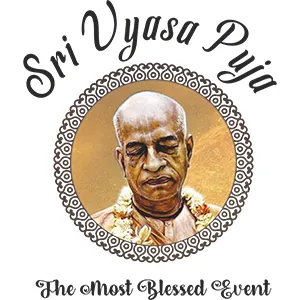
Śrīla Prabhupāda often said that the sound of kīrtan transcends time and space. He taught that the holy name is non-different from Krishna, and when chanted sincerely, it attracts not only the Lord but also His pure devotees. It is no surprise, then, that during certain festival kīrtans—amid the sea of raised hands, spinning mridangas, and resounding mahāmantra chants—devotees feel as though Prabhupāda himself is present, watching, guiding, and dancing among them.
Over the decades, ISKCON festivals across the globe have been filled with such powerful spiritual vibrations that devotees frequently recall these moments not merely as musical highs, but as spiritual visitations—when the founder-ācārya’s presence became tangible through sound.
Here is a ranked reflection on some of the most soul-stirring festival kīrtans where devotees across generations have deeply felt Śrīla Prabhupāda’s presence.
1. Ratha-yātrā in Jagannātha Purī (ISKCON’s Participation)
Few kīrtans in the world match the spiritual gravity of the Ratha-yātrā held in Jagannātha Purī. When ISKCON devotees, for the first time, joined the ancient chariot procession with kīrtan parties chanting “Hare Krishna” and “Jaya Prabhupāda!” through the holy streets of Lord Jagannātha’s town, the atmosphere became electric with divine grace.
Many senior devotees describe that moment as surreal—as if Prabhupāda had returned to witness the fulfilment of his mission. Chanting in Purī was his lifelong dream, and when that kīrtan thundered through the birthplace of Lord Caitanya’s sankīrtan movement, it felt as though Śrīla Prabhupāda was smiling in every beat.
2. Vyāsa-Pūjā Kīrtan in Māyāpur Dhām
On the appearance day of Śrīla Prabhupāda, Māyāpur ISKCON campus transforms into a spiritual powerhouse. The morning kīrtan on Vyāsa-pūjā day—when thousands of devotees from all corners of the world sing in unified rhythm—is not just musically moving, but spiritually charged with gratitude, love, and surrender.
During the peak of the kīrtan, just before the offerings are read, devotees often speak of a strange stillness—a moment where tears flow not from emotion, but from real spiritual connection. As garlands are offered to his murti and the kīrtan swells in crescendo, many feel, not imagine, his divine presence.
3. 24-Hour Kīrtan in New Vṛndāvana (USA)
The rolling hills of New Vṛndāvana have hosted the 24-Hour Kīrtan festival for decades. It is said that Śrīla Prabhupāda specifically blessed this land, and when waves of kīrtan roll through the night—carried by voices of world-renowned kīrtaniyas and humble devotees alike—the entire dhām becomes timeless.
At certain points during the night kīrtan, when the crowd is smaller and the atmosphere more intimate, many devotees have shared that they’ve felt Prabhupāda sitting among them, chanting softly, perhaps even harmonizing invisibly. These aren’t metaphors, but honest experiences that repeat year after year.
4. Janmāṣṭamī Midnight Kīrtan at Krishna-Balarām Mandir (Vṛndāvana)
At the stroke of midnight on Janmāṣṭamī, the Krishna-Balarām Mandir erupts into ecstatic kīrtan as the Lord appears. It’s not simply a moment of celebration, but a powerful moment of spiritual remembrance—for it was in this very temple that Śrīla Prabhupāda spent his final days, and where his murti still watches every āratī and every chant.
Devotees chant, dance, and cry. The sound echoes through the marble walls and out into the streets of Vṛndāvana. For many, this is the single most sacred musical moment of the year, where the spiritual master’s presence is not symbolic—it is undeniably felt in the pulse of the kīrtan and the thunder of the mṛdaṅgas.
5. Kīrtan Mela in Māyāpur Dhām
Kīrtan Mela is one of the most musically rich and spiritually potent gatherings in ISKCON. Thousands pack the big pandal tent in Māyāpur to sing for hours, sometimes days, in a flowing sea of names. What makes this gathering unique is its absolute immersion in the holy name—no distractions, no other focus.
When devotees chant deeply in unison, something shifts. There are moments when time disappears, when everything but the holy name and the desire to please Prabhupāda remains. Several kīrtan leaders have paused mid-chant with tears in their eyes, later sharing they felt as though Prabhupāda was guiding the kīrtan himself—correcting their pitch, humbling their heart, purifying their mind.
Why These Moments Matter
Śrīla Prabhupāda is not gone. He is not lost in history or memory. He lives in the kīrtan, in the sincere chants of his followers. When we sing, not just with melody but with mood, he is there. He is always there.
These moments—at Ratha-yātrā, Janmāṣṭamī, Vyāsa-pūjā—are not just music festivals. They are śravaṇa-based pilgrimages for the soul. When hearts align and names rise into the air, the spiritual master walks among us. He joins in—quietly, invisibly, sometimes powerfully.
To participate in such kīrtans is not to attend an event. It is to step into eternity, even for a few minutes. To chant with the certainty that Śrīla Prabhupāda hears, and that he is pleased.