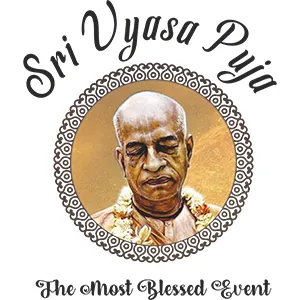
Among the most intimate and enlightening moments shared between Śrīla Prabhupāda and his disciples were his morning walks. These walks were not ordinary strolls but dynamic, unscripted philosophical exchanges—full of clarity, challenge, and realization. Conducted across parks, beaches, and gardens around the world, they often unfolded as spontaneous classes where life’s biggest questions were addressed with profound simplicity.
The setting was usually peaceful—dew-covered grass, chirping birds, or waves crashing softly nearby—but the conversations were anything but passive. Śrīla Prabhupāda would ask questions, counter modern misconceptions, quote scripture effortlessly, and infuse spiritual urgency into the air. His tone would shift from playful to sharp, affectionate to commanding, all in the course of a few moments. What emerged from these sessions was more than just philosophy—it was transformation.
Venice Beach, Los Angeles – Science and the Soul
One of the most well-known and intellectually stimulating walks took place on the sandy shores of Venice Beach. Śrīla Prabhupāda, walking firmly with his cane, addressed the popular notion that life arises from matter. He dismantled the atheistic narrative of creation through chemicals with quick logic and spiritual insight.
Challenging the idea of Darwinian evolution, he asked pointedly, “Where is your proof that life comes from chemicals?” When no sufficient answer came, he offered the Vedic understanding that life comes from the soul, which is eternal. What stood out in this walk was not only Prabhupāda’s boldness but his deep compassion—he wanted the world to be free from misleading theories that deny the soul’s true nature.
This walk became a turning point for many listeners. It gave devotees intellectual strength to counter doubts and the courage to speak boldly about spiritual science.
Hyde Park, London – Real Intelligence Redefined
During a crisp morning in London’s Hyde Park, Śrīla Prabhupāda redefined what it means to be intelligent. A disciple asked about intelligence, expecting perhaps a nuanced reply about education or mental sharpness. But Prabhupāda answered plainly: “The intelligent man asks, ‘Why am I suffering? What is the purpose of life?’”
This shift in definition—from academic intelligence to spiritual inquiry—was revolutionary. He criticized the modern system for producing ‘educated fools’ who never question life’s deeper meaning. Prabhupāda showed that real intelligence starts when one inquires about the self and the soul.
This conversation marked a major realization for many. It wasn’t just informative—it was confrontational in the best way, shaking the listener out of complacency.
Juhu Beach, Mumbai – A Vision Beyond Obstacles
In Mumbai, Śrīla Prabhupāda often walked along the undeveloped sands of Juhu Beach, near the future temple site. The atmosphere during these walks was full of urgency and faith. The land acquisition had faced corruption, opposition, and setbacks. Yet Prabhupāda, never losing vision, would confidently declare, “We will build a temple here for Rādhā and Kṛṣṇa.”
What made these walks so powerful was his unshakable belief. He was battling lawyers, politicians, and even the doubts of his own disciples. But in these moments, while walking and speaking softly about Kṛṣṇa’s plan, he taught that service requires tenacity.
His clarity of purpose during these walks inspired disciples to move mountains. To them, these were not just encouraging words—they were instructions from someone who was seeing the temple already completed in his mind.
Melbourne Botanical Garden – On Facing Death
In Australia’s lush botanical gardens, Śrīla Prabhupāda was once asked about death. The disciple’s voice hinted at fear, but Prabhupāda replied without hesitation: “Chant Hare Kṛṣṇa sincerely, and there is no fear.”
The serenity with which he addressed death left a deep impact. Rather than treat it as a taboo or avoid the subject, he invited his listeners to see death as simply another step—provided one is spiritually prepared. What made this walk extraordinary was not only its content but the way it calmed the heart. It removed the fear of death by offering a path of life centered on remembrance of God.
Devotees who heard or later read the transcript of this walk often expressed how it gave them both peace and purpose.